
Free signals for trading are time-sensitive alerts that outline a full trade plan: entry, targets, and a stop-loss. The most useful ones teach why the setup works so you can confirm the idea yourself. Proxima Learning offers education-backed alerts to help traders in Canada and beyond build skill—not dependency.
By Hamed Khan • Last updated: July 8, 2026
Overview at a Glance
Use free signals for trading as structured ideas you can verify: check the trend, level, and momentum; predefine risk; then execute only if price confirms. Education-backed alerts speed learning, reduce impulsive entries, and help you develop a repeatable playbook over time.
- Quality signals include entry, multiple targets, and a firm stop.
- Most “free” channels are marketing funnels; incomplete by design.
- Proxima ties each alert to a short lesson so you learn the setup’s rules.
What Are Free Trading Signals and How Do They Actually Work
Free trading signals are actionable alerts that define where to enter, where to exit with profit, and where the idea is wrong. The best include a short rationale—pattern, level, or catalyst—so you can confirm the edge before risking capital.
In our experience, two elements separate helpful alerts from noise: a precise invalidation level and a one-paragraph “why.” That context lets you sanity-check the signal on your chart rather than chasing price.
Signal components that matter
- Instrument + timeframe: Stock/ETF and whether it’s intraday or swing.
- Entry trigger: Breakout, retest, or reversal with a clear price cue.
- Targets: Staged exits (e.g., prior high, measured move).
- Stop-loss: Where the thesis is invalid—even if it stings.
- Why now: Pattern, volume, or catalyst driving expected follow-through.
New to alerts? Start with our trading signals guide and the pillar on stock signals for broader context.
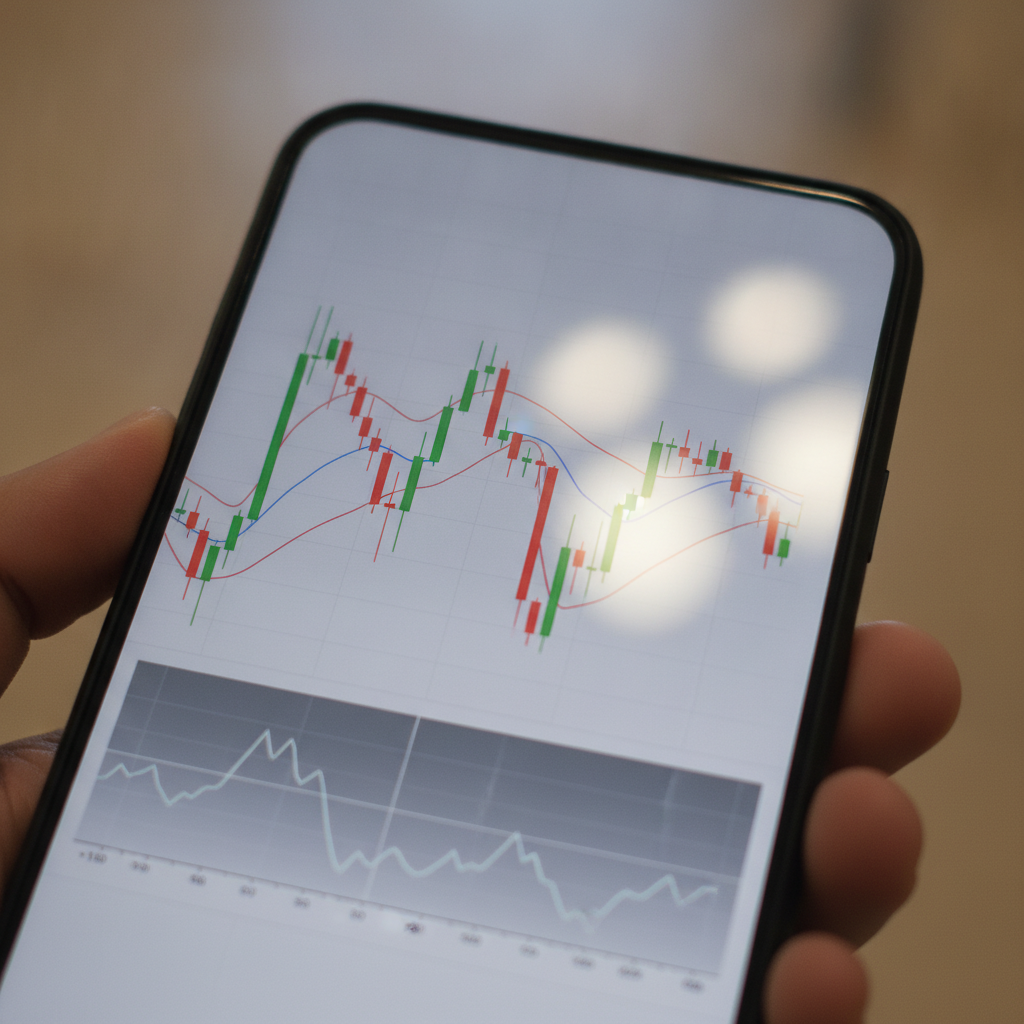
Why Most Free Signals Fail Retail Traders (And What to Look For)
Most free channels prioritize clicks, not risk. They post late, skip stops, and hide losses. Look for alerts with explicit entry/target/stop, timeframe clarity, and a rationale you can verify. If those are missing, skip the trade.
The hard truths we see daily
- Marketing funnels: Many “free” alerts are deliberately incomplete to push upgrades. That confusion is a feature, not a bug.
- Latency burns: A “buy now” ping arrives 20 minutes after the move. You pay the top, then watch it fade.
- Stopless pain: No invalidation given, so traders hold and hope. Small losses become week-ruining drawdowns.
- Pump-and-dump churn: Thin names get touted, volume spikes, then collapses. If liquidity is poor, pass.
One tight checklist before you act
- Defined invalidation: A precise stop, not “tight risk.”
- Position sizing rule: Risk a small, pre-set percent per trade. A simple risk questionnaire can help you gauge tolerance.
- Evidence: Trend alignment plus a real level (VWAP, prior high, or major MA) and a momentum cue.
- Timeframe + hold: Intraday vs. swing with expected duration.
We’d rather pass on a hundred low-quality pings than take one undisciplined entry. Your future self will thank you.
How Proxima Learning’s Free Signals Differ: Education Built In
Every Proxima alert comes with context: an annotated chart, a two-minute micro-lesson, and the risk math. You see the pattern, the entry logic, where it’s invalid, and how targets are derived—so you can replicate the decision later.
What the “mini-lesson” actually includes
- Annotated chart: Marked entry, targets, and stop with arrows and zones.
- 2-minute explainer: A quick video or write-up covering the setup’s rules.
- Risk box: Reward-to-risk snapshot and notes on slippage/liquidity.
- Deepen it: Links to our technical analysis primer or education guide as needed.
Case walkthrough (illustrative mechanics)
Take a widely watched large-cap forming a bull flag after earnings. Our alert: “Long on break of flag high; stop below last higher low; first target the measured move.” The mini-lesson explains how we measure the flagpole to project targets and why volume contraction into the flag matters. Outcome notes: partial at 1R, trail to breakeven, then scale at prior high.
Communities like Bear Bull Traders, Humbled Trader, TraderTV Live, and Warrior Trading excel at live education. Proxima’s angle is tighter: each alert doubles as a micro-lesson so you learn the setup the moment you trade it.
See it in action: Grab today’s education-backed alert on our live signals page and compare it with your rules.
How to Use Free Intraday and Swing Trading Signals Effectively
Treat alerts as hypotheses. Confirm the setup, predefine risk, size the position, execute only at your trigger, and journal the outcome. Intraday favors tight risk and speed; swing trading favors trend quality and patience.
Step-by-step plan
- Scan: Note entry/targets/stop and timeframe on the alert.
- Validate: Check trend, level confluence, and momentum (e.g., VWAP, higher lows).
- Plan: Choose order type and compute size from stop distance.
- Execute: Enter only at your trigger—no chasing.
- Manage: Respect the stop; scale at targets per plan.
- Review: Screenshot, log R-multiple, and note any rule breaks.
Intraday vs. swing nuances
- Intraday: Liquidity and slippage dominate. Keep risk tiny and exits decisive.
- Swing: Let the trend do work; stops need breathing room around key MAs.
- Options: Consider defined-risk structures if implied volatility is high.

Reading a Signal: Entry, Target, and Stop-Loss Explained
A high-quality alert tells you exactly where the edge begins, where profits are taken, and where the idea is wrong. That clarity limits downside and keeps decisions consistent across trades.
Signal anatomy (process table)
| Field | What it says | How you use it |
|---|---|---|
| Instrument | Stock or ETF | Ensure it fits your plan and liquidity needs |
| Timeframe | Intraday / Swing | Sets hold time and stop width |
| Entry | Breakout / Retest | Only act if price hits your trigger |
| Targets | T1 / T2 levels | Scale out to lock gains and reduce risk |
| Stop-loss | Invalidation line | Exit without debate when hit |
| Rationale | Pattern + context | Verify on your chart before entering |
Build fluency with our signals tools overview and foundational technical analysis refresher.
From Free Signals to Smarter Trading: The Learning Path
Use free signals for trading to accelerate pattern recognition, then formalize your own playbook. Proxima supports that path with structured courses, real-time market insights, and portfolio advisory to align tactics with long-term goals.
Practical progression
- Follow: Track a handful of high-quality alerts and outcomes.
- Learn: Complete short lessons tied to the setups you trade.
- Practice: Paper trade 20–30 samples of a single setup.
- Refine: Add risk rules and tags; cut what doesn’t pull its weight.
- Scale: Generate your own ideas; keep alerts as cross-checks.
Prefer a structured start? See our education guide or the beginner trading course guide. For equities-focused alerts, our live signals page posts intraday and swing ideas with context.
Note: Many roundup sites rank forex signal providers like Foresignal, DailyForex, IG, Myfxbook, or Admiral Markets. Those are useful for FX. Proxima focuses on stocks and ETFs, pairing alerts with education so you understand each equity setup’s structure.
Frequently Asked Questions
These concise answers focus on safety, validation, and how Proxima’s education-backed signals help you build independence instead of reliance on alerts.
How do I judge if a free signal is safe to follow?
Require a defined stop, clear entry trigger, and targets. Confirm the rationale on your chart. If the alert is late, vague, or lacks invalidation, skip it. Use a written risk rule so one trade can’t damage your week.
Are intraday free signals better than swing alerts?
Neither is “better.” Intraday requires speed and tiny risk; swings require patience and trend alignment. Match the style to your schedule and temperament, then collect 20–30 samples before increasing size.
What makes Proxima Learning’s free signals different?
Context. Each alert includes an annotated chart, a short explainer on the setup, and the risk math. You’ll know why the idea works, where it fails, and how targets were derived—so you can apply the same logic later.
How should I size a trade from a free alert?
Decide a small percent to risk per trade, then compute shares/contracts based on the distance to your stop. A simple risk tolerance questionnaire can help you choose a consistent risk level.
Key Takeaways
Treat free signals for trading as hypotheses you must verify. Clear entries, targets, and a stop protect capital; mini-lessons speed up pattern recognition and help you build a durable playbook.
- Most free channels are marketing funnels; don’t trade incomplete alerts.
- Confirm edge on your chart; act only at your trigger and honor the stop.
- Journal R-multiples and rule breaks to improve faster.
- Education-backed alerts compound skill and confidence.